Tobias Warner, African Literature in Transition: Print Cultures and African Literature, 1860–1960 (Karin Barber and Stephanie Newell, eds.), Cambridge University Press, 2025
There is a tale of desire, deception, and escape that was told all over pre-colonial Africa and then spread across the globe by slavery and imperialism. The story speaks of a young woman with an impossible demand. She refuses all the suitors her community proposes to her only to fall for a handsome stranger. As happens in stories, though, things are not always what they seem: the stranger is a malevolent creature in disguise who, after making off with his bride, takes apart the human body he had assembled for himself and reveals his true nature. Now held captive in a strange land, the young woman must find a way to escape.
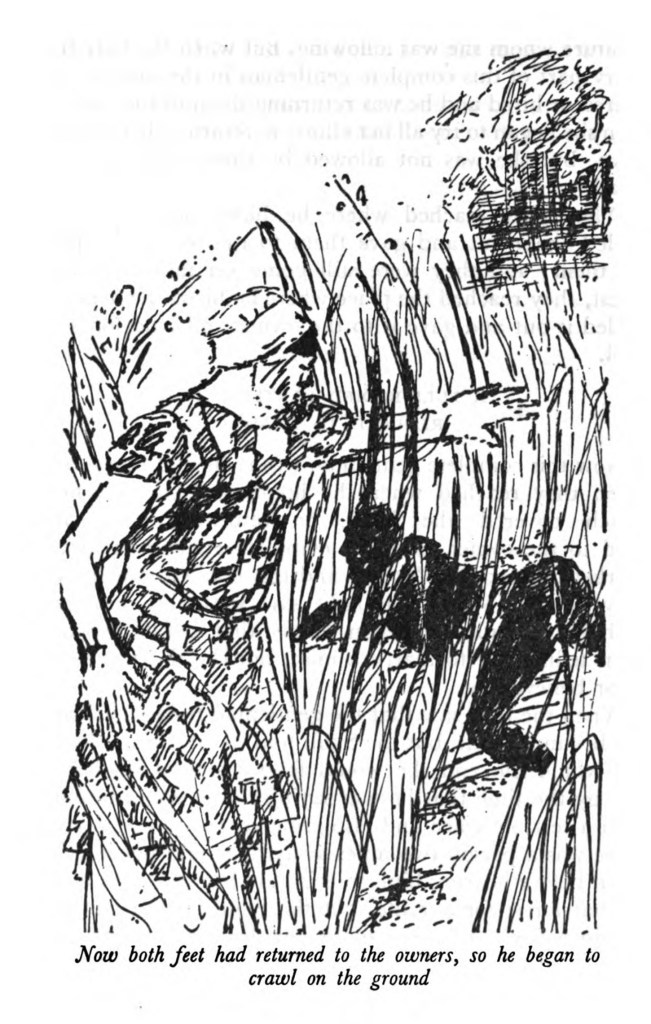
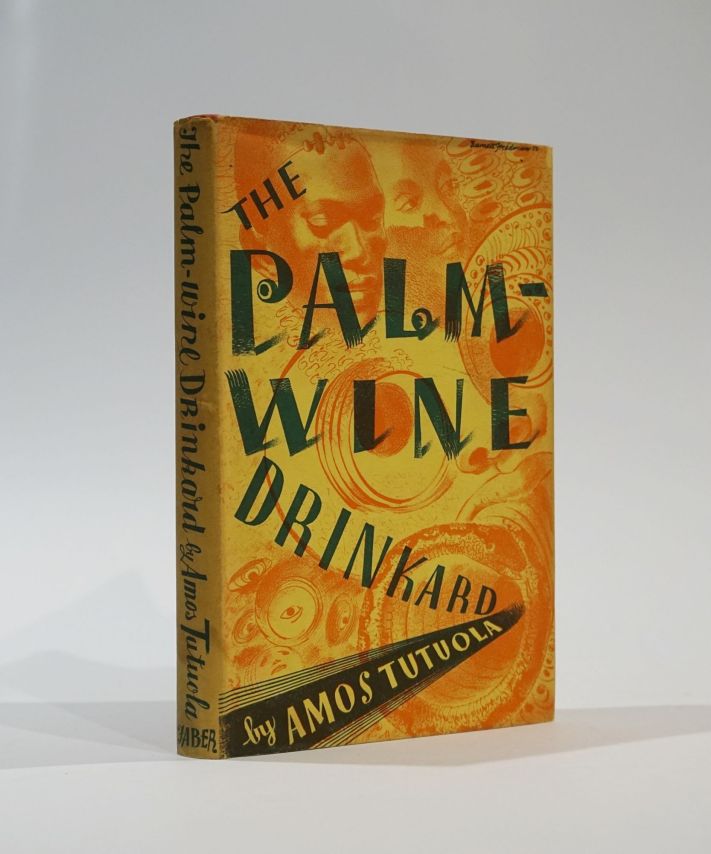
This story goes by many names: the defiant or headstrong girl story, the chosen suitor tale, or simply the ‘complete gentleman’ after the creature assembled out of rented parts that Amos Tutuola made famous in The Palm-Wine Drinkard. Whatever these stories are called, they are some of the most commonly collected and adapted oral narratives across Africa and its diasporas. Between 1885 and 2000 over 300 versions were written down in dozens of languages across the African continent and the Atlantic and Indian Ocean worlds, from Ghana to Madagascar, Martinique to Mauritius, Brazil to the Southern United States.
To explore the narrative constellation of the complete gentleman stories is to risk a productive collision between the study of African print cultures and world literature. The past few decades have seen several waves of commentary and debate around the framework of world literature ever since the initial interventions of Damrosch, Casanova, and Moretti. While there is not a clear a consensus of what the term means today, it seems fair to point out the conversation initially assembled itself around a simple yet ambitious scholarly desire: for literary studies to widen its scope and take the literature of the whole world as its focus. If anything is world literature, then, it is the complete gentleman story: a continental narrative phenomenon spread further by imperialism, slavery, racial capitalism, and migration. And yet there is no original text nor is the tale the product of a singular narrative tradition. Instead, the story exists as a network of versions that nonetheless have often remained recognizable to those who tell, collect, or adapt them as constituting a kind of unity that has served in turn as a generative site of reflection on the nature of African and African Diasporic modernity.

